

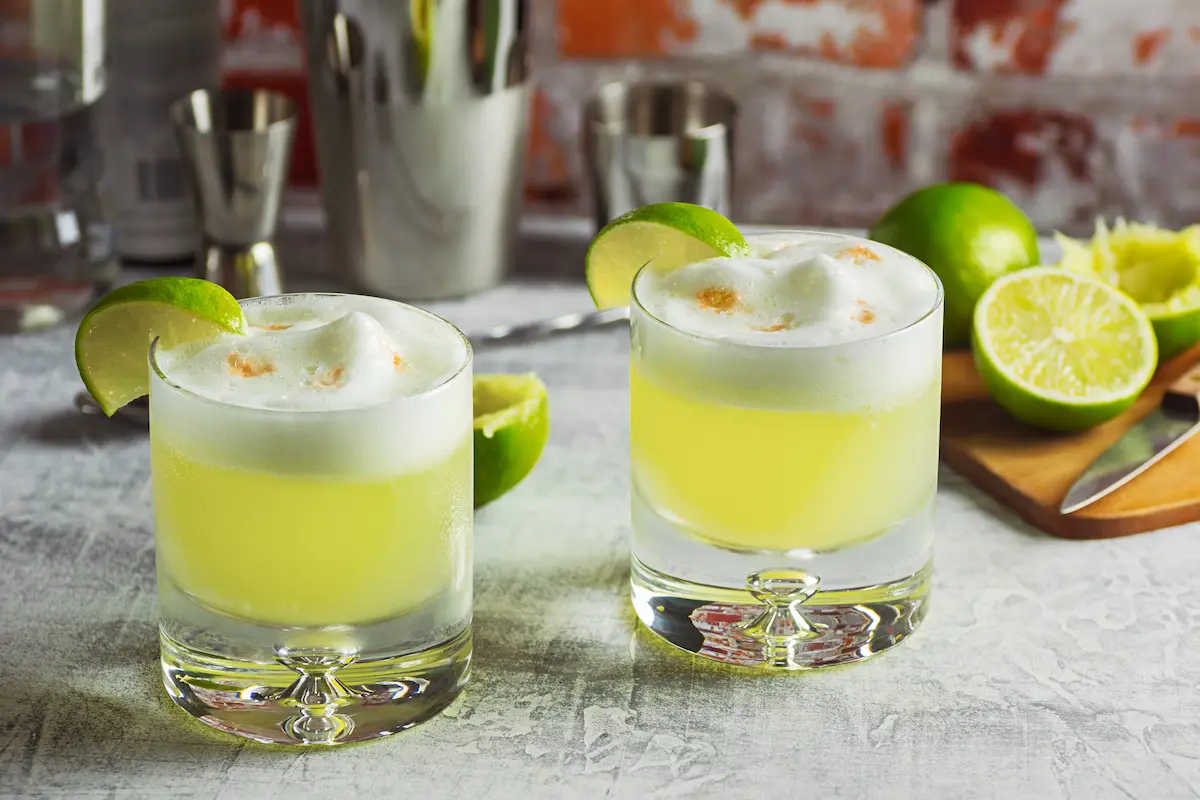
Egg white cocktails are smooth, foamy and visually impressive, but the ingredient is not there for flavor. Egg white changes texture. It traps air when shaken, softens sharp citrus, and gives sour-style drinks a silky finish. That is why classics like the whiskey sour, pisco sour, Clover Club and Ramos Gin Fizz feel so different from simple spirit-and-citrus cocktails.
This guide explains why egg white works, which cocktails use it best, how to dry shake or reverse dry shake, what to know about raw egg safety, and how to use aquafaba or pasteurized egg white as substitutes.
Why egg whites are used in cocktails
Egg white contains proteins that unfold and hold air when shaken. That creates foam on top of the drink and a softer texture through the body of the cocktail. Used correctly, it should not taste eggy. It should make the drink feel smoother and more polished.
- Texture: velvety body and lasting foam.
- Balance: softer citrus and smoother alcohol edge.
- Presentation: a creamy-looking cap that carries garnish and bitters well.
Best egg white cocktails
| Cocktail | Spirit | Why egg white works |
|---|---|---|
| Whiskey sour | Bourbon or rye | Softens lemon and gives classic foam. See whiskey sour mix. |
| Pisco sour | Pisco | Builds the signature tall foam. |
| Clover Club | Gin | Balances raspberry and lemon. |
| Ramos Gin Fizz | Gin | Uses foam for a rich airy texture. |
| Amaretto sour | Amaretto | Cuts sweetness and adds body. |
Dry shake vs reverse dry shake
A dry shake means shaking the ingredients without ice first, then adding ice and shaking again. A reverse dry shake means shaking with ice first, straining, then shaking again without ice. Both can work. Dry shaking is simple and reliable. Reverse dry shaking can produce a finer foam if your technique is good.
| Method | How it works | Best for |
|---|---|---|
| Dry shake | Shake without ice, then with ice | Most home bartenders |
| Reverse dry shake | Shake with ice, strain, then shake dry | Very polished foam |
Safety tips for raw egg white
Raw egg cocktails are traditional, but they require common-sense safety. Use fresh eggs from a reputable source, keep them refrigerated, crack each egg into a separate cup first, and do not serve raw egg drinks to people at higher risk from foodborne illness. Pasteurized egg whites are a good compromise for many home bartenders.
If a guest is pregnant, immunocompromised, elderly or simply uncomfortable with raw egg, use pasteurized egg white, aquafaba or a commercial cocktail foamer instead.
Vegan alternatives like aquafaba
Aquafaba, the liquid from canned chickpeas, is the most common vegan egg white substitute for cocktails. It foams well, tastes neutral in small amounts and works in many sour-style drinks. Use roughly the same volume as egg white and shake hard.
| Substitute | Foam | Best use |
|---|---|---|
| Pasteurized egg white | Very close to fresh egg | Classic drinks with lower risk |
| Aquafaba | Light to medium | Vegan cocktails and mocktails |
| Cocktail foamer | Varies | Fast service and batch drinks |
Common mistakes
- Not shaking long enough.
- Overfilling the shaker.
- Using stale eggs.
- Skipping the strain and leaving rough texture.
- Expecting egg white to fix a bad citrus/sugar balance.
FAQ
Do egg white cocktails taste like eggs?
No, not when made correctly. The egg white is mainly for texture.
What cocktails use egg whites?
Whiskey sour, pisco sour, Clover Club, Ramos Gin Fizz, White Lady and amaretto sour are common examples.
What can replace egg white?
Pasteurized egg white, aquafaba or a commercial foamer can replace fresh egg white.
What is a dry shake?
A dry shake is shaking without ice first to build foam, then shaking with ice to chill and dilute.
Final thoughts
Egg white cocktails are about texture and balance. Start with a simple sour, practice the shake, and keep safety in mind. Once the technique clicks, the same method opens the door to many frothy drinks across whiskey, gin, pisco, brandy and tequila.
Step-by-step dry shake method
- Add the spirit, citrus, sweetener and egg white to the shaker without ice.
- Seal the shaker carefully and shake hard for 10 to 15 seconds.
- Open the shaker, add ice, then shake again until cold.
- Double strain into the glass to keep the texture smooth.
- Let the foam settle for a few seconds before garnishing.
The first shake builds foam. The second shake chills and dilutes the cocktail. If you skip the first step, the drink may still taste fine, but the foam will usually be weaker and less stable.
How to choose between egg white and aquafaba
Fresh egg white gives the richest classic texture. Pasteurized egg white is a practical safety-minded alternative. Aquafaba is best when you want a vegan or egg-free drink. It can smell slightly bean-like in the can, but in small amounts with citrus and spirit, the flavor usually disappears.
For guests, the safest move is transparency. Tell people if the drink contains raw egg, pasteurized egg white or aquafaba. That small detail avoids surprises and makes the drink feel more professional.
Pairing egg white with sour mix
Egg white cocktails usually work best with fresh citrus and syrup, but sour mix can be used in casual versions if it is not too sweet. A whiskey sour made with sour mix and egg white needs careful balance: too much mix will make the foam sweet and heavy. Keep the pour controlled and brighten with fresh lemon if needed.
Practical serving notes
When you test any sour mix, taste it three ways: alone, with water and in the actual cocktail. Straight mix can seem intense, but ice and alcohol soften it. A mixer that tastes perfect by itself may become too sweet once shaken. A mixer that tastes slightly sharp may be exactly what the drink needs after dilution.
For home service, keep the garnish simple. Lemon, lime, orange peel, a cherry, a salted rim or a few drops of bitters are usually enough. Strong garnishes can make a balanced drink feel confused. The better the mix, the less decoration you need.
How this page fits the WUFYS drinks cluster
This article should support a focused drinks silo rather than compete with every other page. The hub explains the broad sour mix topic. The recipe page handles homemade preparation. The whiskey and margarita pages answer drink-specific questions. The egg white cocktail page covers foam and shaking technique. Keeping those roles separate protects the cluster from cannibalization and makes internal links more useful for readers and search engines.
