

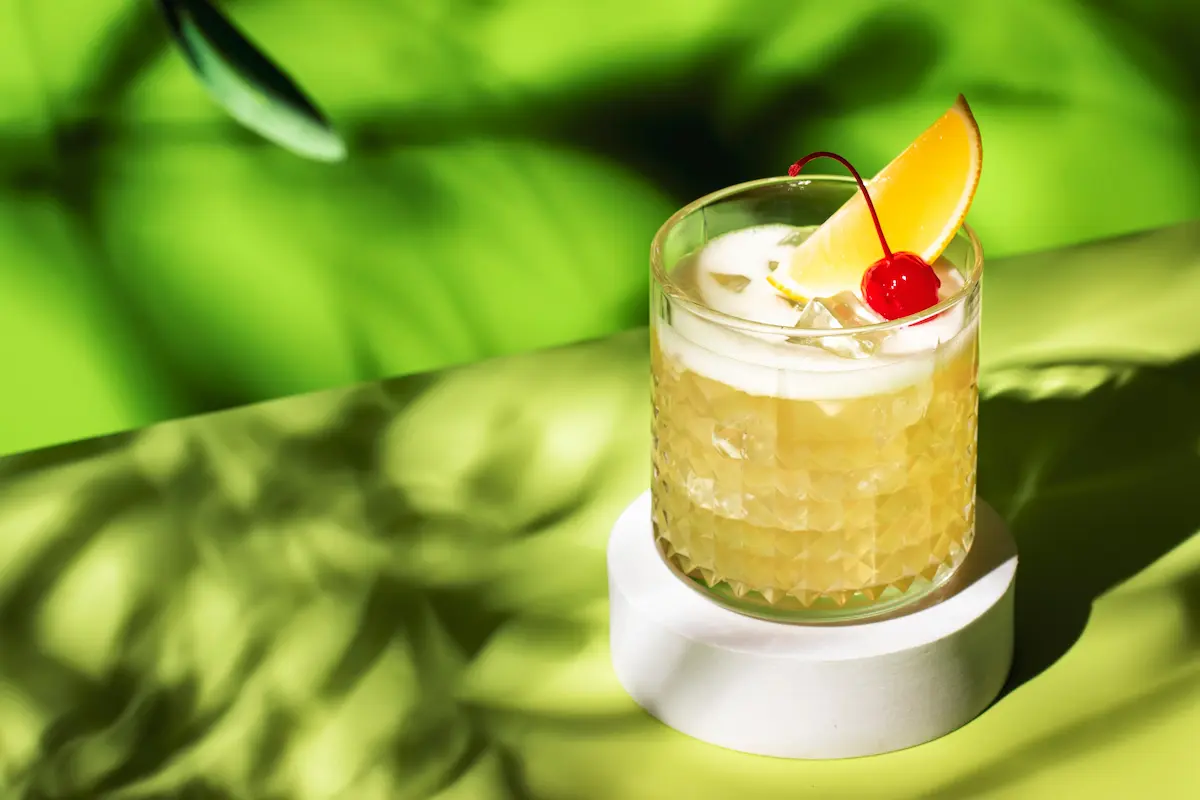
Sweet and sour mix is one of those cocktail shortcuts that can either make a drink easier or quietly ruin it. When it is balanced, it gives you citrus brightness, sweetness and dilution in a single pour. When it is too sweet or too flat, it turns a whiskey sour, margarita or amaretto sour into something heavy and forgettable.
This guide explains what sour mix is, how it differs from sweet and sour mix, what it is made from, when to use a bottle, when to make your own, and how to avoid the most common mistakes. The goal is not to turn every drink into a complicated bar project. It is to understand the mixer well enough to make better cocktails with less guesswork.
What is sour mix?
Sour mix is a sweet-tart cocktail mixer. The traditional idea is simple: combine citrus juice with sugar and water so you can add acidity and sweetness to a cocktail at the same time. Most homemade versions use lemon juice, lime juice, simple syrup and water. Commercial bottles may also include citric acid, preservatives, stabilizers or flavorings to extend shelf life.
In a bar, sour mix is useful because it speeds up service. At home, it is useful because it makes sour-style drinks easier to repeat. The tradeoff is control. Fresh lemon and lime juice taste brighter, while bottled mixes can be sweeter, duller or more artificial. That does not mean all bottled mixes are bad, but it does mean you should taste them before building the drink.
Sweet and sour mix vs sour mix
In everyday cocktail language, sweet and sour mix and sour mix often mean the same thing. Both describe a sweetened citrus mixer. If there is a difference, sweet and sour mix usually suggests a softer, slightly sweeter balance, while sour mix can imply a sharper citrus profile. The label is less important than the actual taste.
| Term | Usual meaning | Best use |
|---|---|---|
| Sour mix | Sweet-tart citrus mixer, often sharper | Whiskey sour, gin sour, tequila sour |
| Sweet and sour mix | Rounder mixer with more sweetness | Casual home cocktails and batch drinks |
| Margarita mix | Lime-forward sweet-tart mixer | Margaritas and tequila drinks |
| Homemade sour mix | Fresh lemon/lime juice plus syrup | When flavor matters more than convenience |
What is sour mix made of?
The base is usually lemon juice, lime juice, sugar and water. Lemon gives a clean sharpness, lime gives a rounder and more aromatic citrus bite, sugar softens the acid, and water keeps the mixture from becoming too intense. Some recipes use only lemon; others use a lemon-lime blend. A lime-forward mix is often better for tequila drinks, while a lemon-forward mix can work beautifully with whiskey.
Commercial bottles vary widely. Some use real citrus juice; others rely more on acids and flavorings. If the bottle tastes like candy or flat lemonade, the finished cocktail will usually taste the same. A good mix should taste bright enough to wake up the drink but not so sharp that it overwhelms the spirit.
Best cocktails that use sour mix
Sour mix works best in drinks built around a spirit, citrus and sweetness. It can simplify a cocktail without removing the basic sour structure.
| Cocktail | How sour mix helps | Internal guide |
|---|---|---|
| Whiskey sour | Adds citrus and sweetness in one pour; works best with a lemon-forward mix. | Whiskey sour mix |
| Margarita | Can replace part of the lime/sweetener structure if the mix is bright enough. | Margarita sour mix |
| Amaretto sour | Cuts the sweetness of the liqueur and adds balance. | Future test candidate |
| Vodka sour | Turns a neutral spirit into an easy sweet-tart drink. | Covered in this hub |
Store-bought vs homemade sour mix
Store-bought sour mix is convenient, consistent and useful for parties. Homemade sour mix is fresher, easier to adjust and usually better in cocktails where the citrus needs to stand out. If you make one or two drinks a month, a decent bottle may be enough. If you care about a cleaner bar-style flavor, make your own batch with fresh citrus.
The best compromise is to keep a simple homemade mix ready when you know you will use it within a week. Our homemade sour mix recipe gives you a clear ratio and storage guidance.
How to choose a sour mix for cocktails
Start by tasting the mix by itself. It should be tart, sweet and clean, but not syrupy. Then think about the spirit. Whiskey can handle a slightly richer mix. Tequila benefits from a brighter lime note. Gin usually wants a cleaner citrus profile. If the cocktail already contains orange liqueur, syrup or a sweet liqueur, use less mix or choose a drier one.
For a stronger cocktail, do not simply add more alcohol and hope the drink balances itself. Reduce the mix slightly and taste. For a softer party drink, increase the mix a little but keep fresh citrus nearby to restore brightness if needed.
Common mistakes
- Using too much mix: the spirit disappears and the drink tastes like syrup.
- Using old citrus: homemade mix loses its snap as citrus fades.
- Treating every spirit the same: whiskey, tequila and gin need different balances.
- Ignoring dilution: shaking with ice changes the final sweetness and acid perception.
- Creating duplicate pages: on this site, sour mix definitions belong here, while recipe intent belongs on the dedicated recipe page.
Quick buying checklist for bottled sour mix
If you decide to use a store-bought bottle, read the label and taste before you commit it to a cocktail. The best bottled sour mix is not necessarily the sweetest one. It is the one that keeps enough acidity to survive alcohol, ice and dilution.
- Look for citrus near the top of the ingredient list. Lemon or lime juice is a better sign than vague flavoring alone.
- Watch the sweetener load. A very syrupy mix may taste friendly on its own but heavy in a drink.
- Check the finish. If the aftertaste feels artificial, the cocktail will probably show it.
- Prefer balance over intensity. The mix should be tart and sweet, not painful or candy-like.
- Plan for correction. Keep fresh lemon and lime nearby to adjust the final glass.
How to fix a drink after using sour mix
The easiest way to rescue a sour mix cocktail is to diagnose what is missing. If the drink tastes too sweet, add fresh citrus and shake again briefly. If it tastes too sharp, add a small amount of syrup or a little more spirit depending on the recipe. If it tastes flat, the problem is often old citrus flavor, weak dilution control or a bottled mix that needs fresh lime to wake it up.
Do not automatically add more alcohol. Stronger is not the same as better balanced. Most sour mix problems are acid and sugar problems first.
Suggested cluster navigation
For readers, the clean path is simple: start here if you need to understand sour mix, move to the homemade recipe if you want to make a batch, then choose the whiskey or margarita page depending on the drink. That structure keeps the site useful and helps avoid splitting the same keyword intent across too many pages.
FAQ
Is sour mix alcoholic?
No. Sour mix itself is non-alcoholic. It becomes part of an alcoholic cocktail only when mixed with spirits.
Is sour mix the same as sweet and sour mix?
Often yes. The terms overlap. Sweet and sour mix usually sounds a little softer and sweeter, while sour mix may be sharper.
Can you use sour mix for margaritas?
Yes, especially if it is lime-forward or brightened with fresh lime. See the dedicated margarita guide for ratios.
Can you use sour mix for whiskey sour?
Yes. A balanced lemon-forward mix can make a very quick whiskey sour. The key is not overpouring it.
What can I substitute for sour mix?
Use fresh lemon or lime juice plus simple syrup. That is usually the best substitute and often tastes better.
Bottom line
Sour mix is not automatically cheap or lazy. It is a tool. Use a good one, understand the balance, and keep each page of this cluster focused: this hub explains the mixer, the recipe page teaches the homemade method, and the whiskey and margarita pages handle drink-specific ratios.
Practical serving notes
When you test any sour mix, taste it three ways: alone, with water and in the actual cocktail. Straight mix can seem intense, but ice and alcohol soften it. A mixer that tastes perfect by itself may become too sweet once shaken. A mixer that tastes slightly sharp may be exactly what the drink needs after dilution.
For home service, keep the garnish simple. Lemon, lime, orange peel, a cherry, a salted rim or a few drops of bitters are usually enough. Strong garnishes can make a balanced drink feel confused. The better the mix, the less decoration you need.
How this page fits the WUFYS drinks cluster
This article should support a focused drinks silo rather than compete with every other page. The hub explains the broad sour mix topic. The recipe page handles homemade preparation. The whiskey and margarita pages answer drink-specific questions. The egg white cocktail page covers foam and shaking technique. Keeping those roles separate protects the cluster from cannibalization and makes internal links more useful for readers and search engines.
When sour mix is the wrong choice
Sour mix is not ideal for every cocktail. If a recipe depends on the perfume of fresh lime, the brightness of lemon oils, or a very dry finish, a premixed sweet-and-sour base may make it feel heavy. Classic daiquiris, high-end margaritas and delicate gin sours often taste better when the citrus and sweetener are measured separately.
That does not make sour mix useless. It simply means the mixer should match the occasion. For speed, consistency and casual entertaining, it is extremely practical. For a precise cocktail where every ingredient matters, fresh citrus plus syrup usually wins.
